
Симфонія настрою
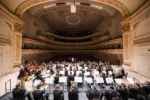
Концертний зал Людкевича
220–700

Виконавці:
- Андрій Павлов, скрипка
- Устим Жук, альт
- Академічний симфонічний оркестр Львівської національної філармонії
- Гудні Емільссон, диригент (Ісландія)
Програма:
- Фелікс Мендельсон. Увертюра «Гебриди»
- Максим Коломієць. Концерт для скрипки та альта з оркестром (світова премʼєра)
- Йоганнес Брамс. Симфонія № 4
Липень 1829 року, острів Малл у Внутрішніх Гебридах. Двадцятирічний Фелікс Мендельсон пише додому, до Берліна: «Щоб ви зрозуміли, як надзвичайно вплинули на мене Гебриди, ось що спало мені на думку там». Далі — двадцять один такт нотного тексту. Це був початок увертюри, яку ми почуємо на концерті.
Наступного дня він із другом попливли на пароплаві до крихітного острова Стаффа подивитися на печеру Фінгала. Мендельсона захитало на морі, і печера, судячи з його щоденника, не справила особливого враження. Але музика вже народилася — з хвиль, вітру, того відчуття простору над водою. Хоча увертюра далася композитору легко у задумі, він мучився з нею три роки. Ще в 1832-му він скаржився сестрі, що музиці не вистачає «смаку масла, чайок і мертвої риби». Сьогодні ми знаємо цей твір як найточніший музичний портрет моря: від хвилястої теми низьких струн до меланхолійного соло кларнета, що звучить як далекий спогад.
Від холодного моря — до сонячного сну про Україну. У центрі програми — світова прем’єра Концерту для скрипки та альта відомого композитора, переможця І Всеукраїнського конкурсу імені Мирослава Скорика, Максима Коломійця «Долина семи сонць». Солісти — Андрій Павлов та Устим Жук.
Композитор розповідає, що цей образ прийшов до нього уві сні багато років тому: долина, над якою нависають сім розпечених зірок, палає золотом і зеленню. Неймовірні кольори, прозоре повітря, безкінечний горизонт. Це метафора України та її омріяного майбутнього: мирного, спокійного, квітучого. Це наші найкращі думки про неї, які ми плекаємо всередині попри все. Твір написаний в один час з іншим опусом автора — «Садом втрачених мрій», утворюючи з ним своєрідний диптих-картину.
Завершує вечір Четверта симфонія Йоганнеса Брамса. Його остання симфонія. Десять років минуло від Першої до Четвертої, і це — підсумок шляху. Прем’єру в Мейнінгені публіка зустріла із захватом, а от вибагливий Відень прийняв її прохолодно — надто складною вона здалася. Перша частина виростає зі звичайного інтервалу, з якого Брамс розгортає величні звукові хвилі. Друга частина звучить архаїчно, наче тінь неминучої долі (композитор використав тут середньовічний фригійський лад). Третя — нетипове для Брамса скерцо, сповнене неспокійної енергії.
Але найголовніше відбувається у фіналі. Це пасакалія: тема з кантати Баха повторюється близько тридцяти разів, щоразу змінюючись. Це колосальна конструкція, вперше у Брамса тут немає коди. Ні тріумфу, ні радості, ні сяючих акордів. Решта — це тиша.
ЖИВИЙ ЗВУК